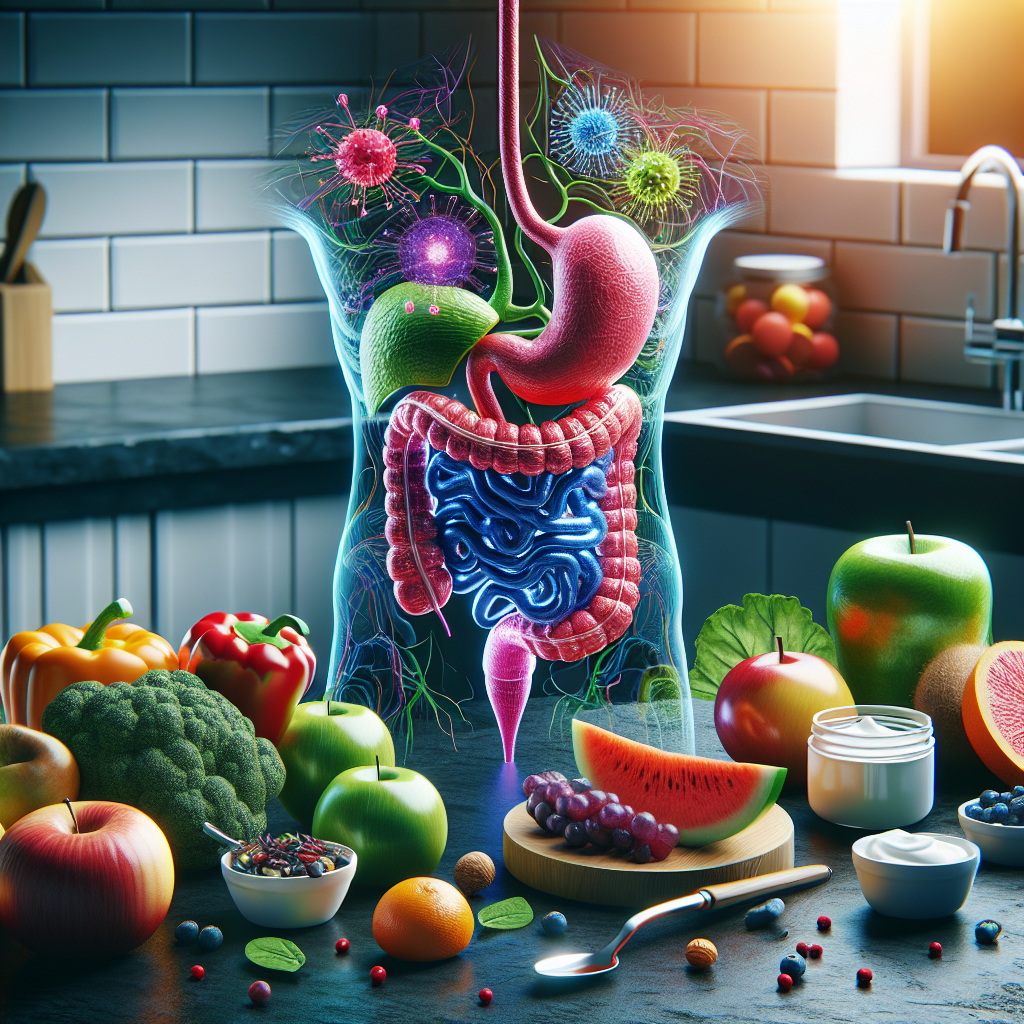
Unlocking the Secrets of Gut Health: The Key to Optimal Digestion
Imagine your gut as a bustling metropolis, with its own ecosystem teeming with bacteria. This city is far more critical than you might think, serving as the cornerstone of not only your digestion but your overall health. Welcome to the fascinating world of gut health, where balance is everything and tiny organisms hold extraordinary power.
Gut health is emerging as one of the most dynamic areas of wellness, influencing aspects of health such as mental well-being, immune function, and of course, digestion. Yet, the complexity of this biological world can make it difficult to know where to start. Here, we break down the essentials of gut health and offer actionable insights for optimizing your digestion.
What is Gut Health?
Gut health refers to the function and balance of bacteria within the gastrointestinal tract. A healthy gut contributes significantly to the effective digestion and absorption of nutrients, influencing everything from energy levels to mood regulation.
Central to gut health are the gut microbiota—trillions of microorganisms that exist in the digestive tract. These ‘good’ bacteria play vital roles in breaking down food, producing essential vitamins, and protecting against harmful pathogens.
The Importance of a Balanced Microbiome
An imbalanced microbiome—often termed dysbiosis—can contribute to various health issues, including digestive discomfort, weakened immunity, and even conditions like obesity and heart disease. Thus, maintaining balance is crucial.
- Promotes efficient digestion
- Supports immune function
- Influences mood and mental health
- Helps regulate metabolism
Signs Your Gut Health May Be Off
Identifying gut health issues early can prevent more serious health problems down the line. Key signs include persistent bloating, food sensitivities, fatigue, and unexplained weight changes.
Additionally, skin irritation, frequent colds, and difficulty concentrating can also suggest problems with your gut microbiome. Paying attention can save you from long-term health complications.
Factors Affecting Gut Health
Several factors can influence your gut health, including diet, sleep, stress levels, and lifestyle choices. For instance, a diet high in processed foods and sugar can disrupt the balance and lead to dysbiosis.
Conversely, incorporating prebiotics, probiotics, and fermented foods can nurture a healthy gut flora. Lifestyle changes such as regular exercise and quality sleep are also crucial for maintaining gut health.
Steps to Improve Digestion and Gut Health
Improving your digestion starts with nurturing your gut. Here are some simple changes that can significantly enhance your gut health:
- Eat a diet rich in fiber, fruits, and vegetables
- Include fermented foods like yogurt and kimchi
- Stay hydrated
- Reduce stress through mindfulness and exercise
Probiotics vs. Prebiotics: What’s the Difference?
Both probiotics and prebiotics play essential roles in gut health. Probiotics are live bacteria that add to your gut’s natural microbiome. Typically found in fermented foods, they help balance gut bacteria.
Prebiotics, on the other hand, are non-digestible fibers that feed beneficial gut bacteria. Effective sources include onions, garlic, and bananas. Together, they synergize to promote a healthy gut environment.
| Condition | Foods to Include | Foods to Avoid |
|---|---|---|
| Diarrhea | Bananas, rice, applesauce | Dairy, caffeine |
| Constipation | Prunes, apples, Brussels sprouts | Cheese, processed foods |
| Bloating | Peppermint tea, ginger | Beans, carbonated drinks |
Final Thoughts on Gut Health
Your gut is more than a digestion machine; it’s a key player in your overall health. By paying attention to what you consume and how you live, you can cultivate a thriving, balanced gut environment.
Start small with meaningful changes and observe how your body responds. With diligence, you’ll unlock the secret to not only optimal digestion but enhanced well-being.